
Understanding the Challenges of Older Racing Pigeons
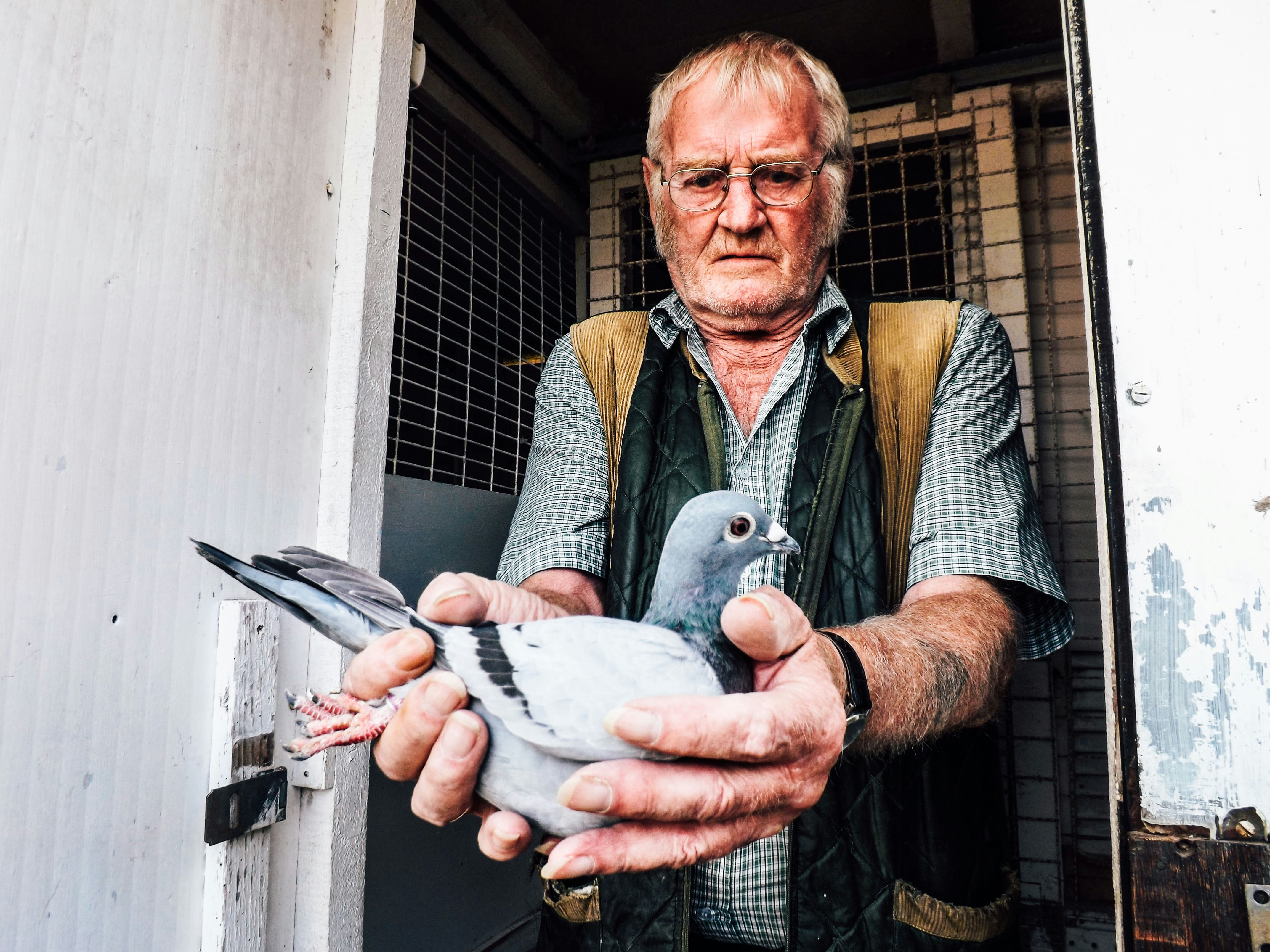
The aging process in racing pigeons presents a range of challenges that can significantly impact their performance during races. As pigeons age, they undergo various physical changes that can reduce their stamina and energy levels, crucial factors for successful racing. One of the most notable effects of aging is the decline in cardiovascular efficiency, which may result in slower flight speeds and prolonged recovery times after racing events. Additionally, older pigeons may experience a decrease in muscle mass and strength, further impacting their ability to sustain high performance.
Moreover, older racing pigeons are more susceptible to a range of health issues that can influence their racing capabilities. Conditions such as respiratory diseases, arthritis, and heart problems become more prevalent with age. These health challenges often require vigilant monitoring and proactive management by pigeon fanciers to ensure that their birds remain in optimal condition. Regular health check-ups, tailored nutritional plans, and appropriate exercise programs can mitigate some of these risks, but complete prevention is not always possible.

Another significant factor to consider when addressing the needs of aging racing pigeons is their mental state. Older birds may become less motivated or enthusiastic about training and racing compared to their younger counterparts. The bond between the handler and the bird plays a vital role in maintaining the pigeon’s drive, making it crucial for fanciers to provide both physical and psychological support as their birds age.
In conclusion, understanding the effects of aging on racing pigeons is essential for any competitor aiming to enhance their birds’ performance. By remaining aware of the natural decline in stamina and potential health problems associated with older racing pigeons, pigeon fanciers can implement targeted strategies that cater to the specific needs of their aging birds, thereby extending their competitive lifespan and success in races.
Assessing Your Pigeons’ Health and Condition
Regular health assessments are essential for maintaining the performance and longevity of racing pigeons, particularly as they age. A thorough evaluation of their health status can significantly influence their racing abilities and overall well-being. Key indicators of health include proper nutrition, weight management, and early signs of illness. By closely monitoring these factors, pigeon fanciers can ensure that their birds remain in peak condition.
Nutritional needs can vary based on the pigeons’ age, activity levels, and specific racing requirements. A balanced diet rich in protein, fats, vitamins, and minerals is vital for sustaining energy levels and promoting optimal health. Engaging a nutritionist or avian veterinarian can aid in developing a custom diet plan that addresses the specific needs of older racing pigeons. In tandem with nutrition, weight management plays a crucial role in health assessments. Regularly weighing your pigeons and keeping track of weight fluctuations can help identify potential health issues before they escalate.
Signs of illness in racing pigeons can often be subtle but should never be overlooked. Symptoms such as changes in behavior, reduced appetite, or abnormal droppings can indicate underlying health problems. It is prudent for pigeon fanciers to familiarize themselves with normal pigeon behavior and appearance, allowing for quicker identification of any changes. Additionally, routine veterinary check-ups are recommended as a preventive measure to detect health issues early. Vaccination and deworming schedules should be adhered to, fortifying the pigeons against diseases that may hinder their performance.
By diligently assessing their racing pigeons’ health and condition through the factors discussed above, fanciers can implement strategies that potentially enhance performance and promote a longer, healthier lifespan for their beloved birds.
Nutrition: Fueling Performance in Aging Birds
Effective nutrition plays a pivotal role in sustaining the health and enhancing the performance of older racing pigeons. As these birds age, their dietary needs evolve, necessitating a careful approach to their nutrition. It is essential to provide a well-balanced diet that comprises the right mix of carbohydrates, proteins, fats, vitamins, and minerals to fuel their energy levels and improve recovery times after races.
Carbohydrates serve as the primary energy source for racing pigeons, especially during strenuous activities. Complex carbohydrates, such as whole grains, are particularly beneficial as they provide sustained energy release. Additionally, including easily digestible sources of protein, like peas and legumes, is crucial for muscle repair and overall health. Protein not only aids in physical recovery but also supports the immune system, which may weaken with age.
Fats, particularly unsaturated fats, contribute to the overall caloric intake required for improved stamina. Essential fatty acids, such as Omega-3s found in fish oil, may also enhance cardiovascular function, an essential aspect for aging racing pigeons. Moreover, incorporating a variety of fresh fruits and vegetables into their diet can provide vital vitamins and minerals that support metabolic functions and boost antioxidants.
A consistent feeding schedule is vital for optimal performance. It is recommended to feed older pigeons smaller, more frequent meals, allowing them to digest food more efficiently and maintain energy levels. Additionally, evaluating the role of supplements that support joint health and energy levels can be beneficial. Vitamin E, glucosamine, and probiotics are just a few examples of effective options to consider.
Ultimately, a well-structured nutrition plan tailored to older racing pigeons can significantly impact their performance, ensuring they remain competitive well into their later years. Proper nutrition not only aids in racing success but also promotes a healthier and longer life for these remarkable birds.
Training Adjustments for Aging Pigeons
As racing pigeons age, their physical capabilities and endurance may diminish, necessitating a careful reevaluation of training strategies. It is essential to adapt training regimens to enhance performance while safeguarding the well-being of older birds. One primary adjustment is to reduce the intensity of workouts gradually. Foraging and practicing for shorter distances can help maintain stamina without overwhelming the pigeons, allowing them to build up their strength progressively.
Implementing modified training routines should involve increasing practice flight durations in incremental steps. It is advisable to start with manageable distances, such as 20 to 40 miles, and observe how the pigeons respond. If they adapt well, trainers can slowly extend these distances to bolster their confidence and endurance. Care should be taken to ensure that the pigeons are not fatigued after each session, as overexertion can lead to injuries or health complications.
Additionally, focusing on varied terrain during training can also be beneficial. Introducing diverse environments not only stimulates mental engagement but also conditions muscles to respond to different challenges. It is vital to monitor the pigeons closely during these training sessions, as older pigeons may show signs of fatigue more rapidly than their younger counterparts. Trainers should also incorporate rest days into the routine to allow for recovery and prevent burnout.
In conclusion, tailoring training strategies for aging racing pigeons is critical for their successful performance and overall health. By adjusting training intensity, optimizing flight distances, and providing adequate recovery, trainers can effectively enhance the resilience and stamina of older pigeons while minimizing the risk of injury or stress.
Understanding Genetics and Performance Limits
The genetic framework of racing pigeons plays a crucial role in determining their performance capabilities, particularly as they age. Breeding practices that focus on selecting for traits such as stamina and resilience can greatly enhance the racing abilities of older pigeons. These traits are not merely incidental; they stem from the pigeon’s lineage and can significantly influence both short-term performance and long-term durability in the sport.
When considering genetics, it is vital to examine both the pedigree and the individual characteristics of the birds. A thorough evaluation of the genetic background can provide insight into the potential strengths and weaknesses of pigeons. For instance, birds with ancestors known for exceptional endurance may be more likely to exhibit similar traits. Evaluating previous performance records from both parents can help you establish the likelihood of the offspring performing well in racing conditions.
Moreover, incorporating genetic testing can further refine breeding strategies. By analyzing specific genetic markers associated with performance traits, breeders can make more informed decisions, potentially increasing the overall quality of their racing team. It is essential to remember that while genetics sets the foundation, proper training, nutrition, and conditioning play roles intertwined with inherited traits, affecting the pigeons’ ability to maximize their performance limits.
In conclusion, understanding the genetic influences on racing pigeons allows for more strategic breeding and selection practices. By prioritizing traits that contribute to stamina and resilience, and by leveraging genetic data to assess potential, breeders are better equipped to enhance the racing performance of their older pigeons. Such comprehensive approaches can lead to improved overall outcomes in competitive racing, ensuring that both genetics and management practices are optimized for success.
Using Technology to Monitor Performance
In recent years, the integration of technology into pigeon racing has transformed the way enthusiasts monitor and enhance performance. By employing various technological tools, breeders can gain significant insights into the training and overall condition of their racing pigeons. These modern solutions not only facilitate performance tracking but also allow for a more informed approach toward training adjustments and strategy implementations.
One of the most prominent tools is GPS tracking technology, which provides real-time data on a pigeon’s whereabouts and flight patterns. By utilizing a lightweight GPS device, fanciers can track the distance covered, speed, and the altitude of their birds during training flights. This information is vital for assessing performance metrics and making necessary adjustments to training regimens. For example, analyzing a pigeon’s flight path can highlight areas where the bird may be struggling, allowing for focused training in those specific conditions.
Another significant technological advancement is the use of heart rate monitors designed for pigeons. These monitors can provide insights into the heart rate response of a pigeon during training and racing, which can be crucial for understanding physical exertion. By evaluating the physiological data collected from these monitors, fanciers can better gauge the fitness levels of their birds and tailor their training to push the boundaries of endurance while avoiding overexertion.
Additionally, performance analysis software has emerged as an essential tool in the realm of pigeon racing. This software aggregates data from both GPS tracking and heart rate monitors to create comprehensive performance reports. Such analysis allows breeders to make data-driven decisions regarding breeding selections and training methods, ultimately leading to improved performance outcomes. By combining these technologies, pigeon fanciers can maintain a competitive edge and optimize the potential of their older racing pigeons.
Creating a Supportive Environment for Recovery
The recovery process of older racing pigeons is crucial for ensuring their performance remains optimal. A suitable environment plays a fundamental role in enhancing their recovery post-race and during training. Creating a supportive setting involves various factors including housing arrangements, designated rest areas, and minimizing potential stressors within their living spaces.
First and foremost, proper housing for racing pigeons is essential. Housing should provide adequate space, ventilation, and protection from harsh weather conditions. Enclosures must be constructed to allow for comfortable temperatures while ensuring fresh air circulation. It is important to maintain cleanliness within the housing area to prevent diseases and promote overall well-being. Adequate space allows racing pigeons to move freely, thereby contributing positively to their physical and mental health.
In addition to appropriate housing, it is vital to establish designated rest areas where pigeons can recuperate after training or competitive events. These rest areas should be located in quiet zones to minimize disturbances from external noises. The design can be supplemented with comfortable nesting materials that encourage relaxation and rest. Providing access to secluded spots will allow the birds to feel secure and reduce anxiety, which ultimately aids in recovery.
Furthermore, minimizing stress factors in the living environment is of utmost importance. Stress can significantly hinder recovery and impact performance in racing pigeons. Factors such as high levels of noise, overcrowding, or the presence of predators can adversely affect pigeons. It is advisable to audit the environment regularly to identify potential stressors and implement changes as necessary. Additionally, human interaction should be consistent but not overwhelming, promoting trust without causing undue pressure.
Establishing a supportive recovery environment fosters the physical and emotional resilience of older racing pigeons, setting the stage for improved performance in future races.
Engaging with the Racing Pigeon Community
The world of racing pigeons is not just about the birds themselves but also about the community that surrounds them. Engaging with fellow pigeon fanciers can be immensely beneficial for improving the performance of older racing pigeons. By actively participating in local racing clubs and online forums, pigeon enthusiasts can exchange valuable experiences, strategies, and advice. This collaborative spirit is essential in navigating common challenges faced by aging birds, as veteran racers often have insights that can help boost their endurance and competitive edge.
Forming bonds with other enthusiasts allows for the sharing of best practices related to training regimes, nutrition, and health management, which are particularly crucial for older pigeons. Participating in discussions about different racing techniques can lead to the adoption of innovative methods that improve overall bird performance. Furthermore, knowledge sharing can enhance one’s understanding of the physiological needs of older birds, ensuring that they are better prepared to compete.
Moreover, engaging with a diverse community helps to cultivate a network of support. This is particularly important when dealing with the inevitable challenges that arise as pigeons age. Many fanciers have faced similar situations, and learning how they successfully addressed these issues can offer new perspectives and solutions. Group involvement also facilitates access to local races and competitions, where older pigeons can be entered to test their abilities against a variety of conditions.
Finally, fostering relationships within the racing pigeon community reinforces the shared passion for the sport, ensuring that knowledge and tradition are passed down through generations. Consequently, the collective commitment to nurturing both the birds and the sport thrives, contributing to the success of older racing pigeons in competition.
Evaluating Performance and Making Informed Decisions
For pigeon enthusiasts, evaluating the ongoing performance of older racing pigeons is crucial for making informed decisions about their careers. Records of race results serve as a primary indicator of a pigeon’s performance and should be maintained meticulously. Analyzing these results over time allows fanciers to assess whether a pigeon continues to meet the expected performance standards. Key metrics include average race times, placement positions, and consistency across multiple races. Significant declines in performance may indicate that the bird is reaching the limits of its racing potential.
Beyond race results, the overall health condition of the pigeons is paramount. Regular veterinary check-ups can identify underlying health issues that might be affecting performance, such as respiratory problems, injuries, or age-related ailments. Observing the pigeons in their daily routines provides insights into their well-being. Behaviors such as eagerness to train, feeding habits, and social interaction with other birds can indicate their readiness for continued competition. Pigeons exhibiting a lack of enthusiasm for racing may signal that it is time to reevaluate their racing careers.
Another factor influencing the decision-making process is the emotional attachment that fanciers often have with their pigeons. Many loyal caretakers develop strong bonds with their birds, making it challenging to consider retirement. While emotional considerations are valid, it is important to prioritize the well-being of the pigeon. Decisions should not solely be driven by sentimental value; rather, they should consider the quality of life and the happiness of the birds.
In essence, evaluating both performance metrics and health status while balancing emotional attachments can help ensure that older racing pigeons are treated with the respect and care they deserve. This holistic approach will aid in determining when it is appropriate to retire a pigeon while still honoring its contributions to the sport.