
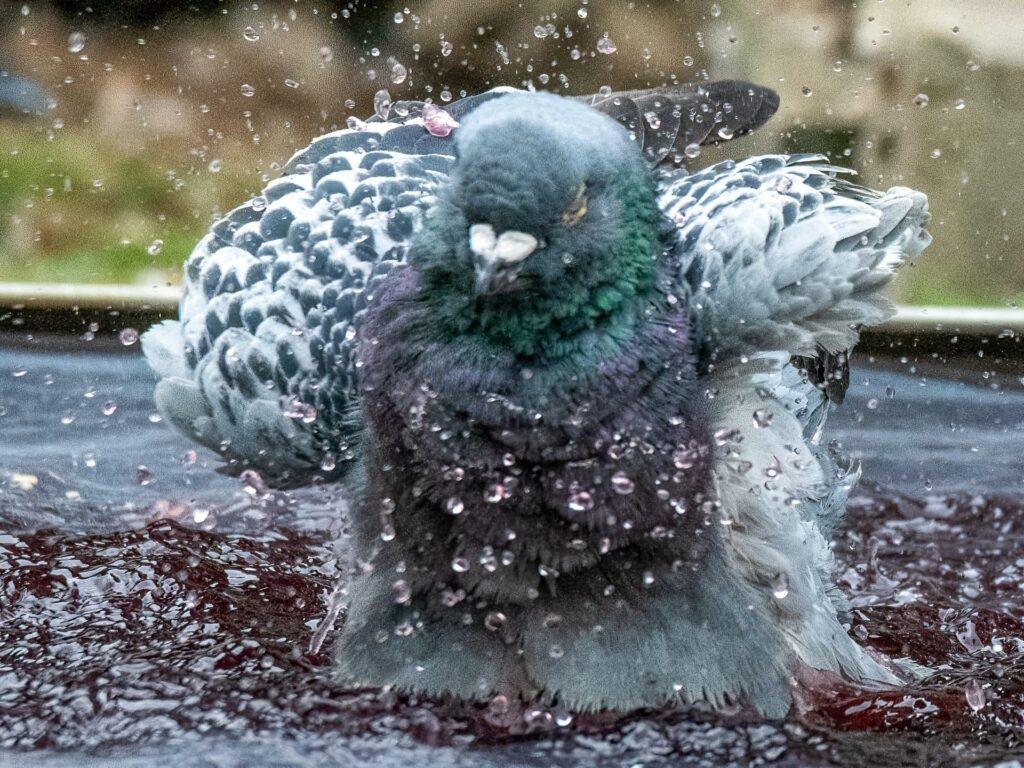
Understanding the Impact of Heat on Racing Pigeons
High temperatures can pose significant challenges for racing pigeons, affecting both their health and performance. As ectothermic animals, pigeons rely on external temperatures to regulate their body heat. When temperatures soar, they begin to experience physiological effects that can compromise their well-being and athletic capabilities. One of the most immediate concerns in extremely hot weather is dehydration. Pigeons can lose substantial
amounts of water through respiration and perspiration, leading to a critical imbalance that impairs their physical condition.
Dehydration not only affects their ability to fly long distances but also places additional stress on their cardiovascular systems. As their bodies struggle to maintain a stable temperature, racing pigeons may enter a state of heat stress, which manifests as increased heart rates and labored breathing. This physiological strain can lead to exhaustion and a decreased capacity for endurance during races.
Moreover, exposure to high temperatures can inhibit a pigeon’s appetite. When racing pigeons do not consume adequate nutrients, their energy reserves diminish, further compromising their racing performance. It is crucial for pigeon fanciers to monitor their birds closely during hot weather and ensure that they remain hydrated and nourished. In addition, a comfortable living environment plays a crucial role in maintaining their health. Providing shaded areas, proper ventilation, and cooling systems can help alleviate the impact of heat on racing pigeons.
Understanding these physiological changes is essential for optimizing their performance in demanding conditions. By recognizing the signs of heat stress and taking preemptive measures, pigeon enthusiasts can better protect their birds from the adverse effects of extreme heat. Awareness of these factors is critical for success in competitive racing during the warmer months, ultimately ensuring that racing pigeons can perform at their best despite challenging weather conditions.
Preparing Your Pigeons for Hot Weather Training
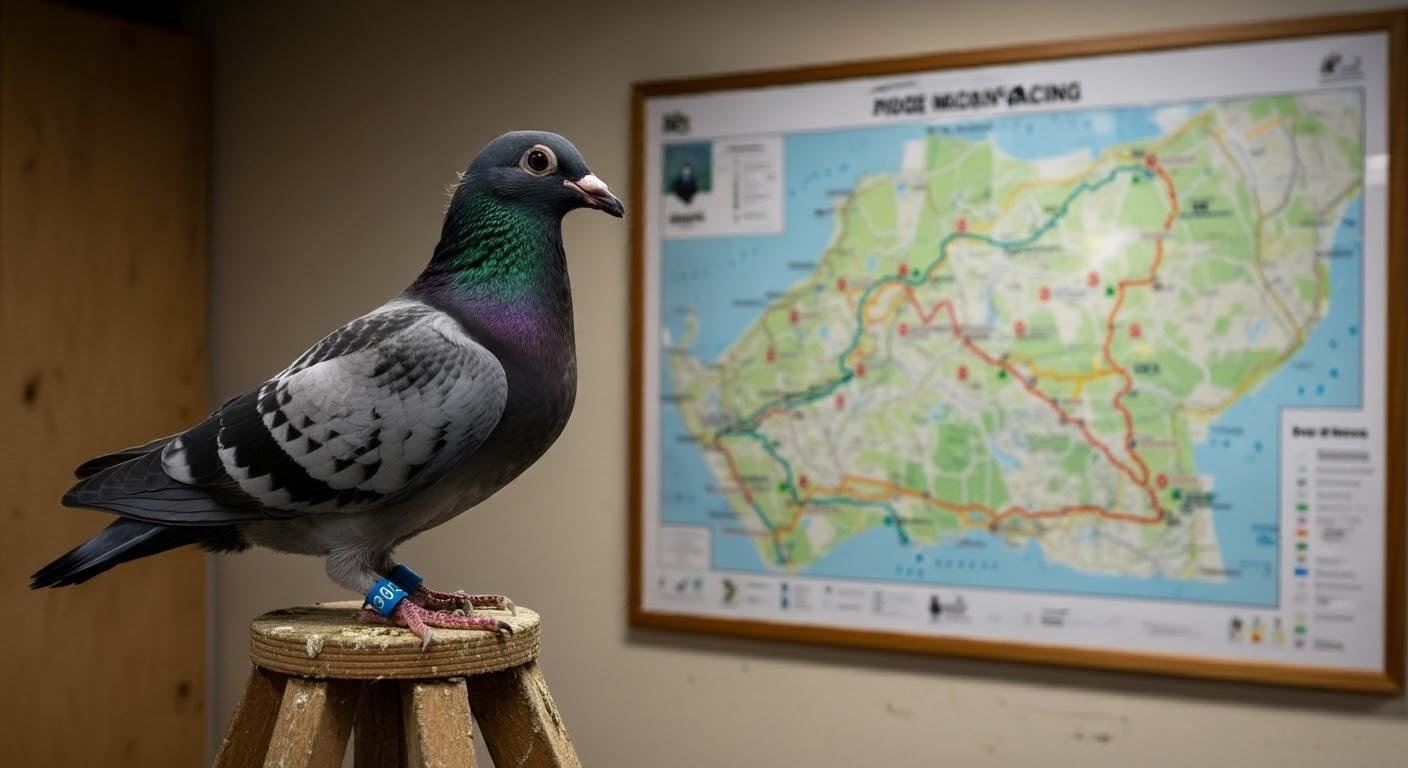
Training racing pigeons during a heatwave requires specific preparations to ensure their optimal performance and well-being. As temperatures rise, it becomes essential to modify training schedules to account for the heat. Early morning or late evening training sessions are advisable, as these times offer cooler temperatures compared to the peak heat of the day. By adjusting the timing of training, you not only protect the pigeons from overheating but also enhance their training effectiveness.
Hydration is another crucial element in preparing racing pigeons for intense weather conditions. In hot climates, ensuring that your pigeons have access to clean and fresh water is vital. Pigeons can become dehydrated rapidly, which may lead to decreased performance and health issues. You might consider providing electrolyte solutions to enhance their hydration levels further, especially before training sessions. This proactive approach helps maintain their stamina and reduces stress, ensuring the pigeons are well-equipped to handle the heat.
Acclimatization is an often overlooked yet essential factor for training pigeons during warmer months. Gradually exposing your birds to higher temperatures can help them adapt effectively. This gradual acclimatization process encourages physiological adaptations, making the pigeons more resilient to heat stress. Start with shorter training sessions in elevated temperatures, cautiously increasing duration as the birds adapt. By keeping a close watch on their behavior and performance during these sessions, you can gauge their comfort levels and make informed decisions on their training regimen.
Incorporating these preparatory measures—adjusting training schedules, ensuring proper hydration, and focusing on acclimatization—will significantly enhance the performance of your racing pigeons during hot weather. These adjustments are not just about ensuring their competitive edge; they also fundamentally contribute to their health and longevity.
Creating a Comfortable Environment for Your Pigeons
Providing a comfortable environment for your racing pigeons during hot weather is essential for their well-being and performance. High temperatures can significantly stress pigeons, potentially affecting their health and racing capabilities. One effective way to ensure a cooler atmosphere is by modifying loft conditions. The design of the loft should facilitate heat escape. This can be achieved by installing proper insulation that maintains a cooler interior while reducing the impact of external heat.
Additionally, ensuring adequate ventilation is crucial. Good airflow prevents the build-up of hot air and humidity, which can lead to discomfort among the birds. Install vents or windows that can be opened during the day when temperatures rise. Positioning these openings strategically allows for cross-ventilation, enabling cooler air to flow in and hot air to exit. Using fans can also be beneficial, especially during extreme heat conditions, as they help circulate air more effectively throughout the loft.
Creating shaded areas within the loft or the surrounding environment is another vital step. Natural shade from trees or constructed shade using tarps and other materials effectively helps in reducing direct sunlight exposure. Placing perches in shaded zones can encourage pigeons to seek cooler areas when the heat becomes too intense. Water is another critical component in keeping pigeons cool. Ensure constant access to fresh, cool water. Misting systems can be considered as well, as they offer a supplementary method of cooling the air within the loft without making it excessively humid.
By implementing these strategies such as modifying loft conditions, ensuring proper ventilation, and providing ample shade, fanciers can create a more comfortable and conducive environment for their racing pigeons. Ultimately, a well-maintained atmosphere not only enhances their health but also optimizes their racing performance in challenging heat conditions.
Hydration Strategies for Hot Weather Racing
Ensuring that racing pigeons remain adequately hydrated in hot weather is paramount to maximizing their performance and well-being. In high temperatures, birds are at a greater risk of dehydration, which can adversely affect their racing capabilities and overall health. Therefore, a structured hydration strategy is essential both leading up to and during the race.
Before a race, it is important to provide pigeons with access to fresh, clean water. The water should be easily accessible, as pigeons will drink more if they feel comfortable. A common practice is to offer electrolytes mixed with their drinking water, which can help to replenish essential minerals lost through sweat and ensure optimal hydration levels. Using well-balanced electrolyte solutions can significantly improve the pigeons’ endurance and recovery post-race.
During the racing period, the implementation of hydration stations at checkpoints can be beneficial. This allows the pigeons to hydrate as necessary, particularly in areas where temperatures soar. Using shaded areas for these hydration stations can make a significant difference in attracting the birds to drink more frequently. Additionally, keeping the water cool can encourage drinking, so it is advisable to use insulated containers or replenish the water often to maintain a cooler temperature.
Post-race hydration is equally significant. Providing an electrolyte solution immediately after the race can help with recovery and replenish lost fluids and minerals. Birds that race in hot weather may require a longer recovery period, thus maintaining consistent hydration practices even after the race is critical. Implementing these hydration strategies can lead to improved performance and may make the difference in ensuring that racing pigeons thrive in challenging weather conditions.
Feeding Adaptations for Summer Performance
During the hot weather months, the dietary requirements of racing pigeons undergo a significant transformation. To ensure optimal performance, it is essential to make appropriate adjustments to their nutrition. The key is to focus on a diet that promotes hydration, energy, and overall health, suitable for the elevated temperatures.
One of the main adaptations involves incorporating moisture-rich foods into their diet. Fresh vegetables, such as cucumbers and leafy greens, are exemplary choices as they help maintain the birds’ hydration levels. Additionally, fruits like watermelon, which contain high water content, can also be welcomed to provide natural sugars for energy along with essential vitamins. In contrast, it is advisable to reduce the amount of dry feed during periods of extreme heat, as it can require more water for digestion.
Moreover, the frequency of feedings should be adjusted. Instead of the traditional practice of feeding twice a day, dividing the meals into smaller portions throughout the day can ensure that the pigeons consume adequate nutrition without overloading their systems, which could lead to discomfort in heat. Offering meals early in the morning and late in the evening also aligns with cooler temperatures, creating a more favorable feeding environment.
When selecting grain mixes, it’s prudent to choose those that are specifically formulated for hot weather. These typically contain a higher proportion of carbohydrates and proteins, which provide sustained energy without causing overheating. Avoiding high-fat content feeds is critical, as fats can generate excessive body heat, which is counterproductive during summer racing.
In conclusion, careful adjustments in the diet, including the incorporation of cooling foods and moisture-rich options, while managing feeding frequency, can significantly enhance the performance of racing pigeons in hot weather. Such dietary strategies are fundamental for maintaining their health and maximizing their capabilities during the summer months.
Timing Your Races: Best Times to Compete in the Heat
When planning races for racing pigeons during hot weather, careful consideration of the timing is essential to optimize their performance. The ideal time to schedule a race typically falls in the early morning hours or later in the evening. During these times, temperatures tend to be significantly cooler, allowing the birds a more favorable environment to compete. Early morning races take advantage of the lower temperatures, reduced humidity, and the stillness of the air, which can enhance the birds’ flying capabilities. Additionally, there is less likelihood of encountering adverse weather conditions, such as thunderstorms which are common in the afternoons.
Late afternoon or early evening can also serve as good alternatives; however, it is crucial to consider the potential for rising temperatures as the sun sets. Therefore, keeping a close eye on weather forecasts before scheduling a race is important, especially in regions prone to sudden changes in weather. Monitoring temperature fluctuations throughout the day can aid in determining the optimal start time for the race. Ideally, a race should commence when the temperature is predicted to be at its lowest.
Moreover, it’s advisable to consider the conditioning and acclimatization of the pigeons before the race day. Properly training the birds in varying temperature conditions can enhance their ability to withstand hotter temperatures without compromising their performance. This preparation allows for better adaptability, which is crucial when racing pigeons in warmer climates. By strategically selecting a time that aligns with these factors, you can significantly improve the likelihood of a successful race, ensuring the health and performance of your pigeons remain a priority.
Recognizing Signs of Heat Stress in Pigeons
Heat stress can significantly impact the health and performance of racing pigeons. Recognizing the signs of heat stress is essential for any pigeon enthusiast aiming to maintain the well-being of their birds during hot weather. The symptoms of heat stress can vary in severity, and early detection is crucial for effective intervention.
One of the first signs of heat stress in pigeons is excessive panting. When temperatures rise, pigeons may begin to breathe rapidly with their beaks open, attempting to regulate their body temperature. This behavior is often accompanied by a notable increase in heart rate. Observers should also be mindful of changes in posture; pigeons experiencing heat stress may stand with their wings slightly extended from their bodies, which aids in cooling.
In addition to panting, a decreased level of activity is another indicator of heat stress. Pigeons may appear lethargic or less inclined to engage in their usual behaviors, such as preening or moving around in their lofts. Furthermore, dehydration is a common consequence of prolonged heat exposure. Signs such as dry droppings and a sunken appearance of the eyes can suggest that the birds are not consuming sufficient water, which exacerbates the risk of heat stress.
Furthermore, the presence of any abnormal behavior, such as excessive vocalization or disorientation, can also indicate stress due to high temperatures. Owners should ensure that their racing pigeons have access to shaded areas and ample fresh water to mitigate the risks of heat-related complications. By familiarizing themselves with these signs, pigeon keepers can take proactive measures to protect their birds from the adverse effects of heat exposure.
Post-Race Care: Cooling Down After the Heat
The aftermath of a race is crucial for the wellbeing of racing pigeons, especially when conditions are hot. Implementing effective post-race care not only aids in their recovery but also boosts their overall health and performance in subsequent races. In hot weather, the risk of heat-related issues, such as heat exhaustion or dehydration, increases significantly. Therefore, it is essential to employ suitable strategies to help pigeons cool down and recuperate effectively.
Immediately following a race, it is imperative to monitor your pigeons for signs of overheating. Signs can include excessive panting, a drooped posture, or changes in behavior. Providing a shaded and ventilated area is critical; this allows your birds to escape the direct sun and reduce body temperatures. Additionally, offering clean, cool water is vital for rehydration. It is advisable to have water available in shallow dishes, preventing potential drowning and encouraging consumption.
Another important practice is to offer electrolyte-rich solutions to help replenish lost minerals due to perspiration during the race. These solutions can be easily added to their drinking water, supporting hydration and recovery. Alongside hydration, nutrition must be prioritized. A light yet nutritious meal with easily digestible grains can help restore energy levels without placing undue strain on their digestive systems.
Rest is essential after exertion, particularly in hot weather. Allowing pigeons a calm and quiet environment prepares them for future flights, reducing stress. Careful attention to these post-race practices can significantly minimize heat-related risks and enhance the overall resilience of your pigeons in oppressive conditions, ensuring they are adequately prepared for their next performance.
Expert Tips and Best Practices from Experienced Fanciers
As the racing pigeon community continues to evolve, experienced fanciers have emerged as invaluable resources, sharing insights and strategies to ensure the well-being and performance of their birds during hot weather conditions. One key aspect emphasized by fanciers is the importance of routine acclimatization. Gradually increasing exposure to heat helps the birds adapt effectively, minimizing stress levels and enhancing their overall performance during races.
Another important practice shared among seasoned breeders is ensuring access to plenty of fresh, clean water. Hydration plays a critical role in maintaining a pigeon’s endurance and health. Many fanciers recommend using electrolyte solutions to keep birds hydrated and replenished, especially before and after races. This practice not only prevents dehydration but also aids in swift recovery following exertion.
Moreover, the timing of training and racing is crucial in hot climates. Fanciers often advise scheduling morning or evening training sessions to avoid the heat of the day. Some experienced risers have adopted a strategy of adjusting training distances based on temperature, progressively increasing them as the birds become more accustomed to the warmth. This ensures that pigeons are well-prepared physically for challenging race conditions.
Feeding routines also play an essential role in performance enhancement during hot weather. Fanciers frequently recommend utilizing high-energy feeds that are easily digestible, further complemented by fresh fruits and vegetables to provide additional hydration and nutrients. This dietary strategy not only boosts energy levels but also supports overall health and vitality.
In summary, the collective wisdom and practices shared among experienced racing pigeon fanciers reveal practical and effective strategies for managing racing pigeons in hot weather. Emphasizing hydration, acclimatization, strategic training schedules, and optimized diets are all crucial components that contribute to maximizing performance while ensuring the well-being of these remarkable birds.